
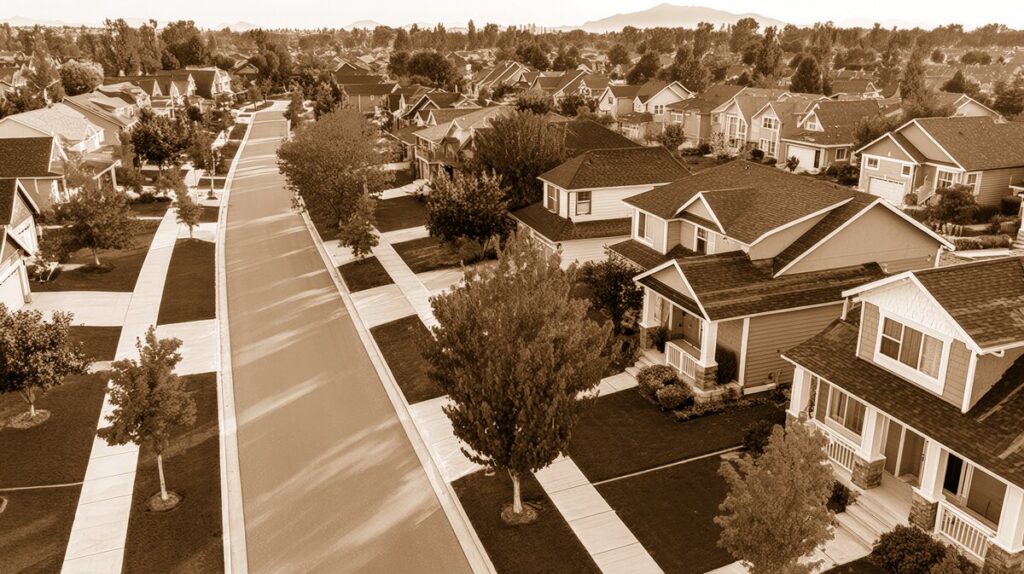
Nestled in the heart of White Plains, NY, the North Street neighborhood stands as a testament to the city’s layered history and vibrant community spirit. For generations, North Street has been more than just a thoroughfare or a marker on a map—it’s a place where the past lingers in leafy avenues, elegant old homes, and cherished local institutions. Whether you’re new to White Plains or a lifelong resident, exploring North Street means stepping into a tapestry woven with stories, milestones, and a sense of belonging unique to this corner of the city.
The Origins of North Street
North Street—officially New York State Route 127—stretches from the bustling city center and extends northeastward, serving as a vital artery for White Plains since the city’s earliest days. The area’s history can be traced back to the 18th century, when White Plains was little more than farmland and small hamlets. As the community grew, this main route became a boundary marker, leading residents north toward Rye and Purchase.
The street’s name is as straightforward as its purpose—North Street was the principal road to travel north out of White Plains toward surrounding towns. Old maps from the late 1700s and early 1800s show the road clearly labeled, cutting a gentle path through what was then a heavily wooded, rural landscape.
Key Historical Milestones
Through the centuries, North Street has seen dramatic changes—war, growth, and modern development have all left their mark.
- Revolutionary Roots: During the American Revolution, White Plains was the site of critical battles. North Street’s elevation made it a natural boundary and gathering spot for troops, and a handful of colonial farmhouses along the street still whisper the memory of those turbulent times.
- Gilded Age Estates: In the second half of the 19th century, as the railroads brought prosperity to White Plains, wealthy New Yorkers began building grand estates along North Street. The rolling hills, ancient trees, and proximity to city life made it a coveted address.
- Suburban Growth: Post-World War II, North Street mirrored national trends as farmland gave way to subdivisions and family homes. The opening of I-287 and the burgeoning automobile culture made White Plains—and North Street—more accessible than ever.
- Community Anchors: Several institutions took root along North Street, becoming icons in their own right. The transformation of private estates into schools, parks, and places of worship added new chapters to the street’s history.
Notable Landmarks and Institutions
Walking or driving along North Street today, you’ll encounter a rich blend of old and new. Some landmarks stand out for their enduring presence and their stories.
- The Burke Rehabilitation Hospital: At the heart of North Street sits Burke Rehabilitation Hospital, founded in 1915. Originally part of a Gilded Age estate, Burke has been a leader in patient-centered care and medical progress for over a century. Its verdant campus, shaded by towering oaks, is a nod to the neighborhood’s pastoral roots.
- Archbishop Stepinac High School: This local institution, founded in 1948, occupies a prominent site along North Street. Stepinac has educated generations of local children and regularly draws families to the neighborhood for education and community events.
- Maple Moor Golf Course: Just north of the residential section, Maple Moor welcomes golfers from throughout Westchester County. Its origins date to the early 20th century, when country clubs and golf courses became fashionable retreats for city dwellers.
- White Plains High School: Just a turn away from North Street on Bryant Avenue, the high school is a cornerstone for generations growing up along North Street, often bringing the neighborhood together on Friday night for football games or spring concerts.
- Religious Centers: Houses of worship, including St. Bernard’s Church and Congregation Kol Ami, anchor the neighborhood, reflecting the diversity and evolving spiritual life of North Street’s residents.
The Spirit of the Neighborhood
What really distinguishes North Street isn’t just brick and mortar—it’s the vibrant community that has always called this area home. The neighborhood’s broad, tree-lined streets—such as Ridgeway, Bryant Avenue, and Rosedale Avenue—host an eclectic mix of pre-war colonials, mid-century ranches, and modern family homes.
Parks and green spaces, like Gillie Park and the hidden gem of Delfino Park just off North Street, provide oases for families and friends to gather, picnic, and play. The sense of neighborliness here runs deep. Block parties in the summer, porch light Halloween trick-or-treating, and the warm greetings exchanged at the corner deli or the local coffee spot on North Street forge connections across generations.
From Yesterday to Tomorrow: North Street’s Evolution
Over the decades, the North Street neighborhood has gracefully balanced preservation and progress. New construction blends with respectfully renovated homes, ensuring historic charm coexists with modern comfort. While the days of dairy farms and country estates have faded, North Street maintains its reputation as a welcoming, stable enclave—ideal for raising families, launching careers, or simply enjoying a slice of suburban tranquility close to the heart of White Plains.
Local schools, both public and private, remain magnets, and North Street’s proximity to major highways, shopping, and the downtown arts scene keeps it plugged into all that’s vibrant in Westchester. Yet, despite these changes, the character of North Street endures—a place where the past is cherished, and the future is embraced with open arms.
Why North Street Matters
Spend any time in White Plains, and you’ll come to appreciate the neighborhoods that give the city its pulse. North Street, with its proud history, beautiful homes, and tight-knit community, stands out as a living link to what’s come before—and what’s yet to be. Its story is far from finished, continuing to draw newcomers and keep old friends rooted in a place that truly feels like home.
So the next time you find yourself beneath the canopy of ancient trees lining North Street, take a moment to remember the pioneers, dreamers, and everyday folks who built this community. Their spirit lives on—in every stone, every step, and every neighborly hello.